

When it comes to maintaining a healthy digestive system, one nutrient consistently stands out: fiber. Expert nutrition research considers fiber a fundamental nutritional component that helps maintain digestive comfort alongside gut wellness. Beyond its The Role of Fiber to prevent constipation fiber demonstrates its ability to foster a balanced microbiome along with additional gastrointestinal benefits. This analysis discusses fiber digestion in the body together with multiple fiber categories and demonstrates practical ways to boost fiber intake for digestive wellness.
Fiber enables digestive health while simultaneously helping people maintain stable blood sugar and decrease cholesterol risks and act as protection against specific cancers. The recommended daily fiber intake remains beyond reach for many people and lack of this nutrient results in digestive difficulties and multiple health complications. Knowledge about fiber types along with their advantages and simple steps for increasing fiber consumption through natural methods transforms total digestive health for everyone seeking improvement. Research shows that fiber acts as a simple effective health solution for addressing gastrointestinal problems as well as general gut health enhancement.We will explore the range of advantages that fiber provides while addressing key strategies to easily add fiber to your regular diet.
The Role of Fiber: What Is Fiber?
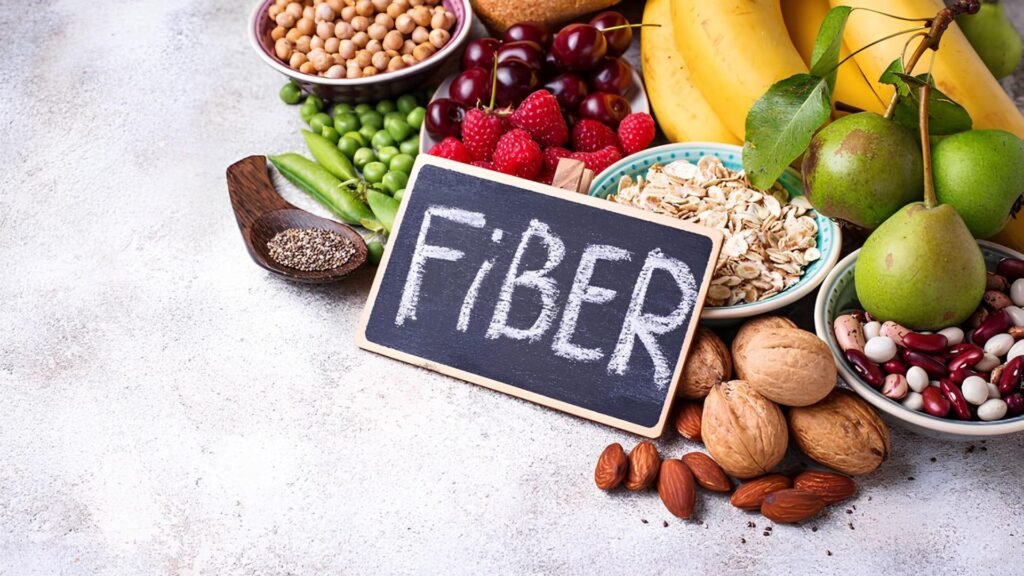
Plants contain a carbohydrate compound called fiber which stays intact when ingested because the human body lacks the necessary digestive enzymes. Fiber functions differently than traditional carbs because it moves undigested through the stomach and small intestine. In the large intestine fiber accomplishes three vital functions including enabling stool bulk formation while supporting favorable gut bacteria development and maintaining normal digestive rhythm. Since the body cannot absorb fiber it controls how fast nutrients such as sugar enter the bloodstream thereby helping maintain glucose control.
The satiating effect of fiber helps people eat less which leads to smallerpeating over to manage weight because they consume less calories. There are two main types of fiber: The body contains two primary types of fiber: soluble fiber turns gel-like in contact with water to reduce cholesterol and insoluble fiber helps maintain regular bowel movements by resisting water absorption. Scientific studies have shown that eating fiber found in fruits vegetables whole grains legumes and nuts can prevent heart disease and type 2 diabetes while reducing cancer risks.
Soluble Fiber
- Dissolves in water: Soluble fiber creates a gel-based substance inside the digestive system.
- Found in: Oats, beans, lentils, apples, and citrus fruits.
- Benefits: Soluble fibers contain the ability to support healthy cholesterol levels by reducing blood sugar and promoting digestive function.
Insoluble Fiber
- Does not dissolve in water: Soluble fiber adds bulk to stool making digestion smoother while also supporting more efficient movement of food across the digestive system.
- Found in: Whole grains, nuts, seeds, and vegetables like carrots and cauliflower.
- Benefits: Regular consumption of this fiber type improves bowel movements yet reduces constipation to benefit your colon’s overall health.
The Role of Fiber: The Health Benefits of Fiber for Digestive Health

The digestive benefits of fiber extend past regular bowel movements to support gut fundamentals and to foster beneficial bacteria in addition to helping nutrient absorption while minimizing digestive disorders. The consumption of fiber promotes blood sugar management and produces fullness cues for weight control and reduces cholesterol amounts to improve wellness. The consumption of whole grains and legumes along with fruits, vegetables and whole grains enables improved digestion while maintaining your microbiome’s balance to minimize inflammation which leads to better long-term health and defensive measures against diseases.
The healthy state of your colon depends on fiber intake because it helps produce normal bowel movements and stops the formation of constipation. Soluble fiber draws water from the body to create a viscous substance that reduces digestion speed to stabilize blood sugar but insoluble fiber creates extra bulk that improves digestive tract movement. People who eat fiber-rich diets tend to develop lower risks for colorectal cancer and enjoy stronger immune responses and better nutrient absorption rates while reducing their risk of cancer development. Fiber consumption helps digestion together with improving cardiovascular function while balancing metabolism and maintaining consistent daily energy levels.
The Role of Fiber: How Much Fiber Do You Need?

According to age gender and particular health requirements the recommended daily fiber consumption differs but general dietary recommendations indicate that adult men need 38 grams daily but adult women need 25 grams daily. The nutritional recommendations vary for health reasons specific to children aging population and special dietary needs. Individual fiber requirements change according to activity level and present medical conditions and pregnancy status. A nutrient-rich diet composed of fruits and vegetables as well as whole grains and legumes and nuts meets daily fiber requirements while benefiting digestive function and promoting weight control and heart wellness. Water consumption paired with fiber intake creates a double benefit for digestive health which prevents unpleasant side effects.
Dietary health benefits from diverse fiber sources which combine the absorption properties of soluble fibers with the bulk-producing abilities of insoluble fibers. Food sources that contain soluble fiber in oats, beans, and apples function to control blood sugar along with cholesterol management and insoluble fiber from whole grains, vegetables, and nuts optimizes bowel regularity while reducing constipation. Raising fiber intake at measured intervals assists your body to adapt better and decrease gastrointestinal distress. A healthcare provider or a registered dietitian will make individual recommendations for dietary fiber and nutritional balance when you have special eating requirements or health limitations.
Conclusion

tion plays a vital part in digestive health by creating benefits which reach beyond controlling bowel movements The presence of fiber in the diet helps develop a balanced gut microbiome and decreases digestive disease risks and stabilizes blood sugar levels. Using daily food portions of diverse fiber-rich foods lets you actively protect your digestive system and overall health. Make sure you remember that fiber functions as a health ally when building digestive wellness along with intestinal wellness in your upcoming food preparation choices.
Your inclusion of fiber as a dietary mainstay through whole grains and legumes and fruits and vegetables results in enduring health advantages. Eating fiber produces two benefits for digestion and increased satiety alongside its contribution to improved cardiovascular health through cholesterol reduction. Your body functions better when you consume fiber-rich foods which provides improved energy levels alongside better nutrient absorption as well as a decrease in digestive discomfort.