

Changes in The Impact of Air Quality damages our respiratory system profoundly and affects our health status negatively. Air molecules which trigger respiratory issues along with pollutants like particulate matter and allergens today exist in breathable air. This paper analyzes respiratory health patterns linked to air quality along with the damaging impact of pollution for vulnerable populations and develops recommendations to minimize air pollution exposure.
A deep understanding of how contaminants degrade air quality and influence human lung health emerges from studies about specific pollutant types. Directing health intervention programs toward utmost risk groups yields essential historic information to achieve best possible health results. Children together with aging adults and people suffering from health conditions comprise three main high-risk groups who face increased respiratory health risks. This analysis reviews individual-level along with community-level solutions for pollutant exposure reduction and air quality enhancement to achieve better respiratory health for society as a whole. Golden health interventions can be achieved by identifying which particular demographics including children and elderly people along with those who suffer from existing medical conditions experience the most dangerous conditions. We will continue by offering real-world strategies as individual and societal solutions to minimize dangerous pollutant exposure while enhancing our breathing quality for better respiratory wellness for everyone.
The Impact of Air Quality: Understanding Air Pollution and Its Effects on the Respiratory System

Foul matter that permeates the air atmosphere consists of threatening substances that pose serious damage to human health through respiratory inhalation. The atmosphere receives pollutants from natural sources including wildfires while receiving pollutants from human activities including industrial emissions and transportation and agriculture. Particulate matter joins ozone along with carbon monoxide and sulfur dioxide alongside nitrogen oxides to form air pollutants that degrade air quality while simultaneously harming respiratory health. Environmental harm occurs alongside health risks from these air substances that endanger people with respiratory problems particularly severe. Sustained exposure to pollutants leads to higher risks for developing chronic respiratory conditions and heart diseases and cancer.
Air contamination worsens current medical conditions which ultimately results in increased need for hospital treatment as well as shorter life spans. People who have asthma or COPD or any lung-related illness may suffer symptoms including wheezing and coughing and difficulty breathing when they encounter elevated pollution levels. Children together with elderly people face higher health risks because their developing or less-protected lung functions have reduced immunity to environmental pollutants. Regular exposure to pollution places heavy burdens on healthcare resources which costs communities increased medical expenses and causes reduced wellbeing. The solution to air pollution demands that individuals demonstrate restraint in their exposure to pollution combined with organized work toward advanced energy solutions and stringent emissions standards and broader understanding of air pollution risks.
Common Air Pollutants and Their Sources
- Particulate Matter (PM2.5 and PM10): Particle emissions originate from vehicle exhaust systems as well as industrial processes and construction sites throughout cities. The size of these materials allows them to reach and invade both lung tissues and bloodstream triggering major respiratory symptoms.
- Ground-level Ozone (O₃): Photoreactions between sunlight and emissions from vehicles and factories produce this pollutant. PM2.5 and PM10 together with other air pollutants create airway irritation that worsens asthma symptoms while triggering inflammation in bronchitis attacks.
- Nitrogen Dioxide (NO₂): Lung performance decreases after respiratory system exposure to nitrogen dioxide emissions from vehicles and power plants leads to airway inflammation.
- Sulfur Dioxide (SO₂): When fossil fuels burn they generate harmful SO₂ that irritates lung tissue while making asthma worse and COPD (chronic obstructive pulmonary disease) more severe.
- Volatile Organic Compounds (VOCs): Each paint material along with cleaning solution and every fuel contains numerous industrial chemicals for their composition.The presence of visible organic compounds in the environment cause respiratory issues and put people at risk for lung cancer development.
The Impact of Air Quality: Vulnerable Populations Affected by Poor Air Quality
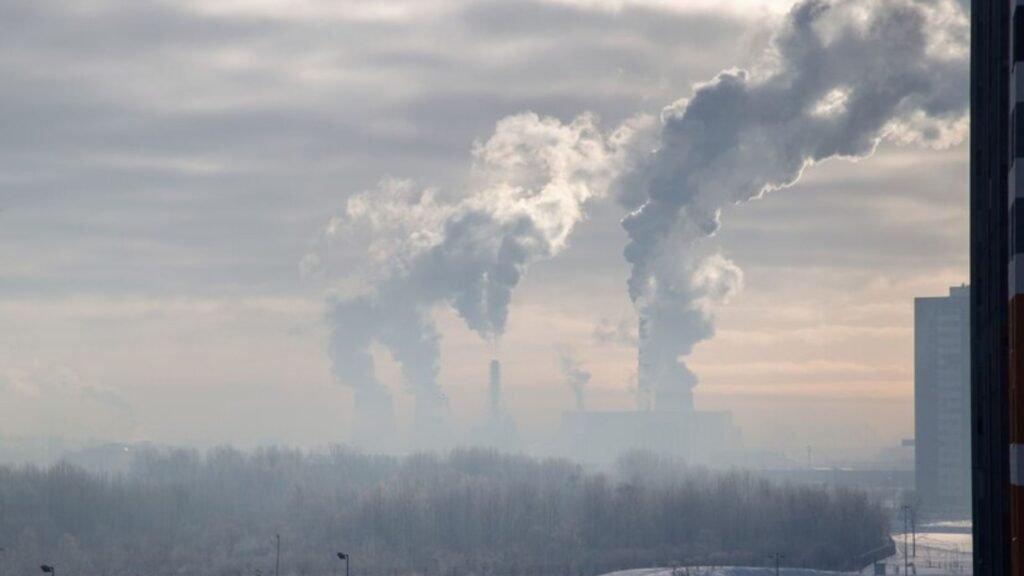
Complete population groups suffer adverse impacts from air pollution yet specific population sectors face greater risks from pollution effects. Vulnerable populations experience medically significant health effects caused by pollutants. The developing lungs of young children lead to greater risk levels for breathing difficulties because they exhibit increased sensitivity to outdoor pollutants. Research on phone ownership demonstrates health risks from pollution affect individuals with respiratory conditions or heart diseases and advanced age groups most severely. People with asthma or COPD face higher environmental risks thanks to increased reactions from polluted air that trigger ongoing medical crises and hospitalizations. Minority populations along with low-income communities experience extra deterioration in their respiratory health because industrial pollutants and heavy car traffic burden their neighborhoods.
Residents in these communities experience insufficient healthcare because it prevents them from handling their respiratory problems effectively. The result of money problems and polluted conditions creates health disparities which prove challenging to eliminate between different social demographic groups. Environmental protection alongside clean air access and superior respiratory wellbeing for exposed communities demand comprehensive solutions solving both environmental quality challenges and health inequality problems.
The Impact of Air Quality: Strategies to Improve Air Quality and Protect Respiratory Health

Even though total elimination of air pollution remains elusive people can take measures to decrease their contact with pollutants and build cleaner air conditions on both individual and community bases. Simple lifestyle alterations which include the use of air purifiers together with controlled outdoor exposure and sustainable transportation choices yield substantial air quality improvements for personal health. Communities should use their resources to enhance green areas and cut industrial pollution emissions while adopting clean energy policies. Multiple collaborative actions between individuals and communities work together to diminish public health impacts caused by air pollution and build a cleaner safer environment.
The combination of people-powered partnerships among businesses and governments enables us to advance rapidly toward sustainable developments for the future. Global health requires community-wide education to show people how individual sustainable actions create benefits for personal wellness along with planetary welfare. Monitoring air quality and developing technologies for cleaner air requires continued financial support so we can track improvements and recognize what needs improvement next. Links between these sustained joint commitments will produce healthier populations alongside better respiratory health while reducing disease rates tied to polluted air. Air quality protection remains a collective task for every sector in society to maintain ongoing through dedicated participation.
Conclusion
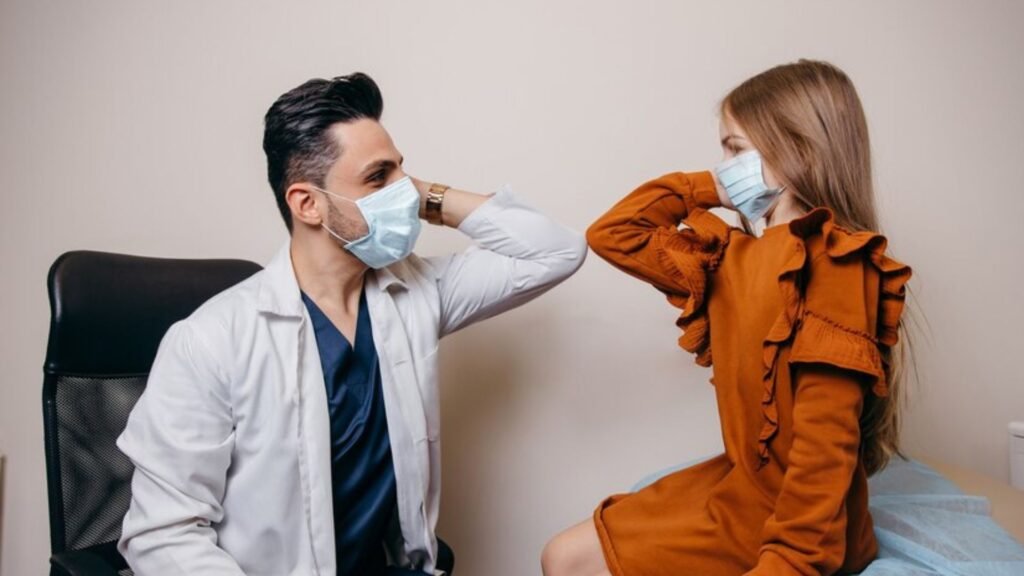
Particularly strong scientific evidence shows air quality determines respiratory health outcomes. The atmosphere carries hazardous substances that create immediate and enduring health issues mostly affecting defenseless individuals. By knowing the risks and taking active steps toward improving air quality and controlling exposure we can enhance our respiratory health protection. Every person holds responsible tasks that support the fight against air pollution while protecting our current and future generations’ health.
Research alongside technological advances continue to develop systems that both track environmental quality improvements and detect sources of pollution. Our drive to construct healthier environments for everyone can be achieved through backing programs which encourage cleaner energy technologies while lowering industrial pollution levels while funding green infrastructure development. The fight against air pollution depends on efforts to make people aware of its effects through widespread public education activities. Population-wide awareness stands essential to help people act responsibly. Future air pollution solutions depend on unified efforts to provide clean air for all which promises improved health conditions.
Read more: The Importance of Vitamin D for Bone Health