

The Role of Omega 3 fatty acids receive growing scientific appreciation because of their significant health advantages which specifically support brain operations. Essential nutrients which preserve both cognitive health and emotional well-being occur plentifully in fatty fish and flaxseeds and walnuts. The fundamental presence of Omega-3 fatty acids in brain cell membranes helps promote memory retention while simultaneously lowering inflammation and reducing age-related loss of cognitive ability. These powerful fatty acids demonstrate which specific mechanisms drive their effects on brain function. The scientific nature of Omega-3 compounds gets detailed analysis within this text together with their extensive influence on both mental wellness and brain performance while protecting against neurological disorders.
Emerging research creates new discoveries that show Omega-3 fatty acids extend their beneficial behaviors beyond brain processes into comprehensive health management.Omega-3 fatty acids demonstrate their remarkable potential to combat numerous mental health problems through their dual ability to stop neurodegenerative diseases and treat depression and anxiety.Investigating how Omega-3 nutrients shape brain anatomy together with their ability to control neurotransmitters and decrease inflammatory response provides insights into their protective and enhancing impact on brain health across lifespan.This article details the various benefits of Omega-3 fatty acids and explains their brain processing mechanisms together with methods to add these substances to your daily eating habits for maximizing cognitive health.
The Role of Omega: What Are Omega-3 Fatty Acids?

Essential polyunsaturated fats known as omega-3 fatty acids exist naturally within the human body because the body cannot create them independently. Eating foods with these fats or taking supplements remains the only way to get access to them. Fatty acids are essential for proper bodily functions especially because they help support heart health and control inflammation and create optimal brain performance. The three fundamental classes of Omega-3 fatty acids include ALA (alpha-linolenic acid) and EPA (eicosapentaenoic acid) and DHA (docosahexaenoic acid) yet DHA remains the Omega-3 fatty acid with the highest concentration in the brain.
Cognitive function depends heavily on DHA through the brain’s substantial fatty acid content which shields cell membranes and helps brain cells exchange information.Research shows that EPA reduces inflammation in the body to shield against heart disease and arthritis while sustaining immune function.Body tissues convert ALA from plant-based foods like flaxseeds and chia seeds and walnuts into EPA and DHA but achieve only limited efficiency during this process.Synergistic effects occur between Omega-3s which facilitates important brain maintenance alongside mood support and neural protection that ensures emotional stability for extended lifetime health.
- Alpha-Linolenic Acid (ALA): Plant-derived alpha-Linolenic acid appears within flaxseeds, chia seeds and walnuts together with other sources.
- Eicosapentaenoic Acid (EPA): People obtain three primary Omega-3 fatty acids from consuming fatty fish including salmon, mackerel and sardines.
- Docosahexaenoic Acid (DHA): Research shows DHA occurs predominantly in fatty fish and algae because it represents the main brain omega-3 component.
The brain depends on these fatty acids to keep its structure healthy along with proper functions while enhancing total well-being.
The Role of Omega: How Omega-3s Impact Brain Function

The brain depends on DHA as well as other Omega-3s for building its cell membranes properly. The brain cell membranes need these fatty acids to transmit signals effectively between cells for healthy cognitive functioning including memory and decision-making and learning processes. Studies show that people who consume more Omega-3 in their diet get better results on cognitive tests. The brain-cell communication system depends on Omega-3s for neurotransmitter regulation. Brain cell regulation through this essential process preserves both emotional balance alongside cognitive abilities. The proper amount of DHA in the body demonstrates double protection against both the development and progression of Alzheimer’s disease together with decreasing brain inflammatory response and controlling oxidative stress mechanisms. Omega-3 fatty acids protect brain cell membranes while optimizing brain function which establishes a vital role for maintaining mental clarity across a person’s lifespan.
The brain function benefits from Omega-3s since they help increase its ability to form new connections and reorganize itself.New environments and skills require this particular factor for proper adaptation success.Research shows Omega-3 supplements may help slow down the natural aging-related reduction of neuroplasticity in the brain.The brain-relevant protein BDNF forms with Omega-3’s help to support the growth and survival of neurons.The intake of Omega-3 helps create resistant brain structures which shield cognitive functions from deterioration.Omega-3 fatty acids function as fundamental components for brain well-being thus protecting the brain from aging consequences and medical conditions as well as enhancing cognitive function.
The Role of Omega: Omega-3 Fatty Acids and Neurological Diseases
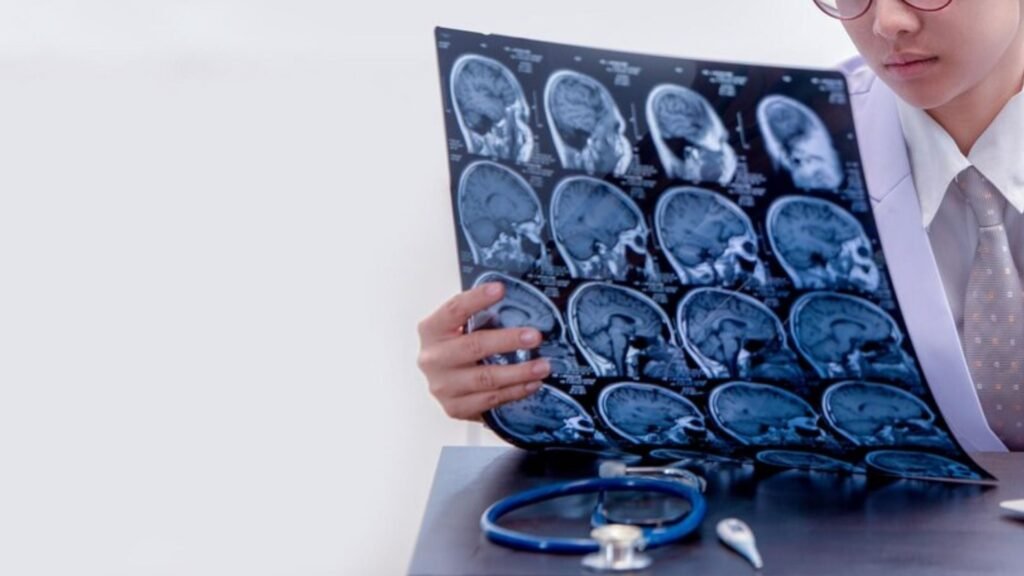
Research shows that Omega-3s establish an essential defense system against neurological diseases while multiple studies demonstrate these nutrients’ capacity to prevent Alzheimer’s disease together with Parkinson’s disease and multiple sclerosis. Omega-3 fatty acids create brain cell defense mechanisms that lower inflammation together with neural tissue healing capacities. The brain function improves after taking Omega-3s and researchers suggest the supplements might slow down neurological diseases by aiding brain cell regeneration and keeping membranes healthy.
Studies show that the consumption of Omega-3s helps improve brain cells’ mitochondrial function because this process enables brain cells to generate energy.The necessity to support mitochondrial health increases as brain energy requirements rise because of age or neurodegenerative conditions to protect cells and maintain cognitive abilities.The ability of Omega-3s to improve mitochondrial efficiency leads to better brain vitality and strengthened neural network resilience.The ability of Omega-3s to regenerate brain and nerve tissues creates a promising therapeutic avenue for managing neurological diseases and enabling better results among patients with Alzheimer’s diseas e and multiple sclerosis and Parkinson’s disease.
Conclusion

Omega-3 fatty acids act as brain-essential nutrients that deliver multiple cognitive benefits with protection for mood and protection against cognitive decline. The addition of Omega-3 to your diet through food or supplements helps both mental cognition and brain health and stands against dementia progression during aging. The health of your brain depends heavily on Omega-3s because they support both short and long-term neurological conditions as well as enhance memory functions and focus abilities.
The health advantages linked to Omega-3 consumption reach above intellectual benefits to improve complete bodily functioning.Studies have demonstrated that routine intake of these omega-3 fats supports better heart health together with decreased inflammation and strengthens immunity.Including Omega-3s in your regular diet will provide better cognitive functioning along with comprehensive health benefits.The remarkable health advantages of Omega-3 fatty acids include disease protection alongside enhanced cognitive performance and better emotional balance thus making them an essential substance for the whole body and mind.
Read more: New Research Links Chronic Fatigue Syndrome to Immune